How to Manage Pasture for Maximum Productivity

|Ranch Approved
How to Manage Pasture for Maximum Productivity

Ranch Approved is reader-supported. When you buy through links on our site, we may earn an affiliate commission at no extra cost to you. As an Amazon Associate I earn from qualifying purchases. How we test.

A worn-out, overgrazed pasture costs you more than just aesthetics; it hits your wallet directly through higher feed bills and can lead to less healthy, less productive animals. Staring at a field of sparse grass and stubborn weeds can feel overwhelming, but transforming that land into a lush, resilient, and highly productive resource is more achievable than you think. It's not about working harder; it's about working smarter with nature's own systems.

Effective pasture management is the cornerstone of a successful ranch or homestead. It’s the art and science of growing grass and legumes to feed your livestock, which in turn feeds the soil, creating a powerful, self-sustaining cycle. By mastering a few key principles, you can dramatically increase your land's carrying capacity, improve your soil's health and water retention, and raise healthier animals—all while reducing your reliance on expensive purchased feed.

This guide will walk you through the essential steps to maximize your pasture's productivity. From understanding the ground beneath your feet to implementing a game-changing grazing strategy, you'll learn the proven techniques that turn good pastures into great ones.

The Foundation: Understanding Pasture Ecology

Before you change anything, it's crucial to understand the living system you're managing. A pasture isn't just a patch of grass; it's a complex ecosystem built on the relationship between soil, plants, and animals.

  • The Soil: Healthy soil is teeming with life—bacteria, fungi, worms, and insects—that breaks down organic matter (like manure and decaying roots) into nutrients that plants can use. Good soil structure allows it to hold water like a sponge, making your pasture more resilient to drought.
  • The Plants: Forage plants, like grasses and legumes, are solar panels. They capture sunlight and convert it into energy. A significant portion of this energy is stored in their root systems. When a plant is grazed, it uses these root reserves to regrow. If it's grazed too short or too often without rest, it depletes these reserves, weakens, and eventually dies, leaving space for weeds to take over.
  • The Animals: Your livestock are the harvesters. Their role is to convert grass into meat, milk, or fiber. But they also play a vital part in the nutrient cycle. Their manure and urine return valuable nutrients to the soil, feeding the microorganisms that in turn feed the plants.

The key to productivity is managing the interaction between these three components. Your goal is to use your animals to harvest the grass in a way that stimulates vigorous plant regrowth and efficiently cycles nutrients back into the soil, all without causing long-term damage.

Step 1: Know Your Ground

You can't manage what you don't measure. The first step is to take a thorough inventory of your land and resources. This baseline information will guide every decision you make.

Conduct a Soil Test

This is the single most important starting point. A soil test is an inexpensive way to get a detailed report on your pasture's pH and nutrient levels (like phosphorus, potassium, and nitrogen). Without it, you're just guessing when it comes to fertilizing or amending. Contact your local cooperative extension office for guidance on how to take a proper sample and where to send it for analysis. The results will give you a precise recipe for what your soil needs to thrive.

Identify Your Forage

Walk your fields. What is actually growing out there? Identify the dominant grasses, legumes (like clover or alfalfa), and weeds. Are they cool-season grasses that thrive in spring and fall, or warm-season grasses that peak in summer? Knowing your current forage base helps you understand your pasture's seasonal production curve and identify opportunities for improvement, like overseeding with more desirable species.

Calculate Your Stocking Density

Stocking density is the number of animals on a given area of land for a specific period. This is arguably the most critical factor in preventing overgrazing. Realistically identify how many head your pasture can support. This is often measured in "Animal Units" (AU), where one AU is typically a 1,000-pound cow. Your local extension agent or Natural Resources Conservation Service (NRCS) office can provide resources and worksheets to help you calculate the carrying capacity of your land based on your forage type and annual rainfall.

Step 2: Master Rotational Grazing

If you implement only one strategy from this guide, make it this one. Rotational grazing (also called management-intensive grazing) is the practice of dividing a large pasture into smaller paddocks and moving livestock through them in a planned sequence. This is a stark contrast to continuous grazing, where animals have access to the entire pasture all the time and tend to repeatedly graze their favorite spots, leading to degradation.

How Rotational Grazing Works

The principle is simple: short periods of intense grazing followed by long periods of rest. By concentrating animals in a smaller area, they graze more uniformly and their hoof action and manure distribution are more evenly spread. Once they've grazed the paddock to a target height, you move them to the next fresh paddock. This gives the just-grazed paddock a critical rest period, allowing the plants to regrow, deepen their root systems, and replenish their energy reserves before being grazed again.

Designing Your Paddock System

A rotational system doesn't have to be complicated or expensive. You can start with a few paddocks created with temporary electric fencing. The key considerations are:

  • Fencing: A secure perimeter fence is a must. Inside, use lightweight step-in posts and polywire or poly-tape to create your temporary paddocks. This allows you to easily adjust paddock sizes based on the season and forage availability. For a deeper dive, check out our guide to electric fencing.
  • Water: Every paddock needs access to a reliable source of clean water. A central water trough with lanes leading to it or a portable water tank can work well.
  • Paddock Size: The size of your paddocks should be determined by the number of animals and how long you want them to stay in one place (the grazing period). The goal is to have enough forage for the desired period without forcing them to graze the plants too short.

The "Graze and Rest" Cadence

The two most common questions are "When do I move them?" and "How long do I wait before coming back?" The answers change with the seasons.

  • When to Move In: Move animals into a paddock when the grass is ready. During the fast-growing season, this might be when it's 8-12 inches tall.
  • When to Move Out: Follow the "take half, leave half" rule. Graze the forage down to about 3-4 inches. This residual leaf area acts as a solar panel, allowing the plant to regrow quickly without tapping too deeply into its root reserves.
  • The Rest Period: The length of rest a paddock needs depends entirely on how fast the grass is growing. In the spring, a paddock might be fully recovered in 20-30 days. In the slow-growing heat of summer or during a dry spell, it might need 45-60 days or more. Observation is key—let the plants tell you when they're ready.

Step 3: Feed Your Soil, Feed Your Grass

Healthy grass starts with healthy soil. Rotational grazing is a huge step in the right direction, but a few other practices can accelerate soil improvement.

Manage Manure

In a continuous grazing system, manure and nutrients concentrate around water troughs and shade areas. In a rotational system, distribution is much better. To further improve it, consider dragging or harrowing your pastures a few days after the animals have moved out. This breaks up manure piles, spreads the nutrients more evenly, reduces parasite habitats, and prevents "rejection spots" where animals refuse to graze.

Amend and Fertilize Wisely

Use your soil test results to guide your fertility program. The report may recommend applying lime to correct the pH, which unlocks the availability of other nutrients in the soil. It will also give you specific recommendations for nitrogen (N), phosphorus (P), and potassium (K). You can meet these needs with commercial fertilizers or by incorporating practices like frost-seeding legumes, which naturally fix nitrogen in the soil.

Step 4: Improve Your Forage Stand

A dense, diverse stand of high-quality forage will out-compete most weeds and provide better nutrition for your animals. Mowing and overseeding are two powerful tools for improving your pasture's composition.

Weed Management

The best defense against weeds is a healthy, competitive pasture. However, if you have specific weed problems, mowing can be very effective. The key is to mow after the desirable grasses have gone to seed but before the target weeds have. This clips the weeds before they can reproduce, weakening them over time while allowing your grasses to spread.

Overseeding for Diversity

Overseeding is the process of broadcasting seed directly into an existing pasture. It's a fantastic way to introduce more productive species and fill in bare spots. Adding legumes like white or red clover is particularly beneficial, as they are high in protein and fix atmospheric nitrogen, providing a free source of fertilizer for your grasses. The best times to overseed are typically in the late winter/early spring (known as frost seeding) or early fall.

Essential Resources for Pasture Management

Diving into pasture management can feel like learning a new language. These resources provide the knowledge and tools to help you succeed, from foundational principles to the very seeds you plant in the ground.
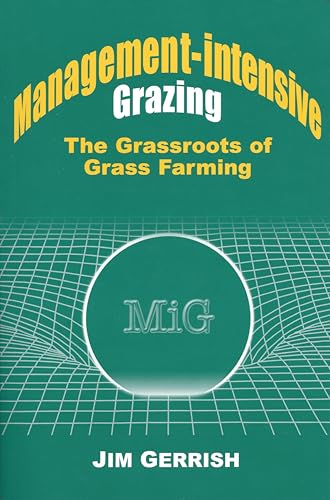
Management-intensive Grazing: The Grassroots of Grass Farming
Best Overall
Management-intensive Grazing: The Grassroots of Grass Farming
$26.11

Often called the "bible" of grass farming, this book is the definitive guide to the principles and practices of rotational grazing. It provides the deep, practical knowledge needed to truly master the system.

Check Price on Amazon →
Outsidepride Great Gains Pasture Seeds - 5 lb. Perennial, Drought & Cold Tolerant, High Sugar Grass for Sheep & Goats Hay Foraging & Rotational Grazing
Best for Overseeding
Outsidepride Great Gains Pasture Seeds - 5 lb.
$34.99

This perennial mix is designed to withstand grazing pressure and varying weather. It's an excellent choice for improving your pasture's resilience and nutritional quality for sheep, goats, and other livestock.

  • HIGH-SUGAR GRASS BLEND FOR MAXIMUM NUTRITION: Our Great Gains Pasture Seed Mix features Aber Green Perennial Ryegrass, AberEve Intermediate…
  • EXCELLENT YIELDS & PRODUCE: Great Gains delivers excellent lawn seed pasture productivity with rapid re-growth, allowing multiple grazing c…
  • COLD & DROUGHT TOLERANCE FOR ALL-SEASON RELIABILITY: Designed to grow in various conditions under USDA Zones 47, our grass seed starting mi…
Check Price on Amazon →
Grass Productivity: An Introduction to Rational Grazing (Living With the Land Book 10)
Best for Beginners
Grass Productivity: An Introduction to Rational Grazing
$14.99

If you're new to the concept, this book is a perfect starting point. It offers a clear and accessible introduction to the principles of rational grazing without being overwhelming.

Check Price on Amazon →
THE COMPLETE ANGUS CATTLE HANDBOOK: The Ultimate Guide for Beginners and Experienced Ranchers on Raising, Managing, and Profiting From Angus Cattle
Best for Cattle Ranchers
THE COMPLETE ANGUS CATTLE HANDBOOK
$17.00

This guide connects the dots between pasture quality and herd management. It offers specific advice for raising productive Angus cattle on grass, making it a valuable resource for beef producers.

Check Price on Amazon →

Frequently Asked Questions

How do I know if my stocking rate is correct?

The best indicators are the health of your pasture and your animals. If you consistently have to move animals off a paddock before the desired rest period is over because they've run out of grass, your stocking rate is too high. Conversely, if your grass gets too mature and stemmy before you can get back to it, you may be understocked. Your animals' body condition is another key sign; if they are maintaining or gaining weight, your pasture is meeting their needs.

What's the difference between rotational grazing and continuous grazing?

In continuous grazing, livestock have unrestricted access to the entire pasture area for the entire grazing season. In rotational grazing, the pasture is subdivided into smaller paddocks, and livestock are moved from one paddock to another on a schedule, allowing each paddock a period of rest and regrowth.

How long should a pasture rest before being grazed again?

The rest period is not fixed; it varies based on the season and growing conditions. In the rapid growth of spring, a 20-30 day rest might be sufficient. During the "summer slump" or a dry period, it could require 45-60 days or more. The key is to observe the plants: let them regrow to the proper height (e.g., 8-10 inches) before grazing them again, regardless of how many days it takes.

Can I manage pastures without expensive equipment?

Absolutely. The most essential tools are temporary fencing (step-in posts and polywire), a fence charger, and your own powers of observation. A soil test is a low-cost, high-value investment. While equipment like a manure harrow or a no-till drill for seeding can be helpful, you can achieve dramatic improvements with a simple, low-cost rotational grazing setup.

What are the first signs of an overgrazed pasture?

The most obvious sign is grass that is consistently grazed very short (less than 2-3 inches). Other signs include an increase in bare soil patches, soil compaction, the proliferation of unpalatable weeds, and slow regrowth after rainfall. If your animals always seem hungry and their body condition is declining, that's a clear signal the pasture isn't providing enough forage.

The Bottom Line

Managing your pasture for maximum productivity is a continuous process of observation and adaptation. It’s a partnership with your land. By shifting from a mindset of simply containing animals to one of actively farming grass, you unlock immense potential. The core principles are straightforward: test your soil, control your grazing with a rotational system, allow for adequate rest and recovery, and continually work to improve your forage stand.

Implementing these strategies will not only lead to greener pastures but also to a healthier bottom line. You'll see reduced feed costs, improved animal health, and land that becomes more fertile and resilient with each passing year. Start small, observe carefully, and let your land and livestock guide your management decisions. The rewards are well worth the effort.

Ranch Approved
Tested and reviewed by ranchers who actually use this gear.
Published: June 11, 2026 Updated: June 11, 2026

Ranch Approved is reader-supported. When you buy through links on our site, we may earn an affiliate commission at no extra cost to you. As an Amazon Associate I earn from qualifying purchases. How we test.

A worn-out, overgrazed pasture costs you more than just aesthetics; it hits your wallet directly through higher feed bills and can lead to less healthy, less productive animals. Staring at a field of sparse grass and stubborn weeds can feel overwhelming, but transforming that land into a lush, resilient, and highly productive resource is more achievable than you think. It's not about working harder; it's about working smarter with nature's own systems.

Effective pasture management is the cornerstone of a successful ranch or homestead. It’s the art and science of growing grass and legumes to feed your livestock, which in turn feeds the soil, creating a powerful, self-sustaining cycle. By mastering a few key principles, you can dramatically increase your land's carrying capacity, improve your soil's health and water retention, and raise healthier animals—all while reducing your reliance on expensive purchased feed.

This guide will walk you through the essential steps to maximize your pasture's productivity. From understanding the ground beneath your feet to implementing a game-changing grazing strategy, you'll learn the proven techniques that turn good pastures into great ones.

The Foundation: Understanding Pasture Ecology

Before you change anything, it's crucial to understand the living system you're managing. A pasture isn't just a patch of grass; it's a complex ecosystem built on the relationship between soil, plants, and animals.

  • The Soil: Healthy soil is teeming with life—bacteria, fungi, worms, and insects—that breaks down organic matter (like manure and decaying roots) into nutrients that plants can use. Good soil structure allows it to hold water like a sponge, making your pasture more resilient to drought.
  • The Plants: Forage plants, like grasses and legumes, are solar panels. They capture sunlight and convert it into energy. A significant portion of this energy is stored in their root systems. When a plant is grazed, it uses these root reserves to regrow. If it's grazed too short or too often without rest, it depletes these reserves, weakens, and eventually dies, leaving space for weeds to take over.
  • The Animals: Your livestock are the harvesters. Their role is to convert grass into meat, milk, or fiber. But they also play a vital part in the nutrient cycle. Their manure and urine return valuable nutrients to the soil, feeding the microorganisms that in turn feed the plants.

The key to productivity is managing the interaction between these three components. Your goal is to use your animals to harvest the grass in a way that stimulates vigorous plant regrowth and efficiently cycles nutrients back into the soil, all without causing long-term damage.

Step 1: Know Your Ground

You can't manage what you don't measure. The first step is to take a thorough inventory of your land and resources. This baseline information will guide every decision you make.

Conduct a Soil Test

This is the single most important starting point. A soil test is an inexpensive way to get a detailed report on your pasture's pH and nutrient levels (like phosphorus, potassium, and nitrogen). Without it, you're just guessing when it comes to fertilizing or amending. Contact your local cooperative extension office for guidance on how to take a proper sample and where to send it for analysis. The results will give you a precise recipe for what your soil needs to thrive.

Identify Your Forage

Walk your fields. What is actually growing out there? Identify the dominant grasses, legumes (like clover or alfalfa), and weeds. Are they cool-season grasses that thrive in spring and fall, or warm-season grasses that peak in summer? Knowing your current forage base helps you understand your pasture's seasonal production curve and identify opportunities for improvement, like overseeding with more desirable species.

Calculate Your Stocking Density

Stocking density is the number of animals on a given area of land for a specific period. This is arguably the most critical factor in preventing overgrazing. Realistically identify how many head your pasture can support. This is often measured in "Animal Units" (AU), where one AU is typically a 1,000-pound cow. Your local extension agent or Natural Resources Conservation Service (NRCS) office can provide resources and worksheets to help you calculate the carrying capacity of your land based on your forage type and annual rainfall.

Step 2: Master Rotational Grazing

If you implement only one strategy from this guide, make it this one. Rotational grazing (also called management-intensive grazing) is the practice of dividing a large pasture into smaller paddocks and moving livestock through them in a planned sequence. This is a stark contrast to continuous grazing, where animals have access to the entire pasture all the time and tend to repeatedly graze their favorite spots, leading to degradation.

How Rotational Grazing Works

The principle is simple: short periods of intense grazing followed by long periods of rest. By concentrating animals in a smaller area, they graze more uniformly and their hoof action and manure distribution are more evenly spread. Once they've grazed the paddock to a target height, you move them to the next fresh paddock. This gives the just-grazed paddock a critical rest period, allowing the plants to regrow, deepen their root systems, and replenish their energy reserves before being grazed again.

Designing Your Paddock System

A rotational system doesn't have to be complicated or expensive. You can start with a few paddocks created with temporary electric fencing. The key considerations are:

  • Fencing: A secure perimeter fence is a must. Inside, use lightweight step-in posts and polywire or poly-tape to create your temporary paddocks. This allows you to easily adjust paddock sizes based on the season and forage availability. For a deeper dive, check out our guide to electric fencing.
  • Water: Every paddock needs access to a reliable source of clean water. A central water trough with lanes leading to it or a portable water tank can work well.
  • Paddock Size: The size of your paddocks should be determined by the number of animals and how long you want them to stay in one place (the grazing period). The goal is to have enough forage for the desired period without forcing them to graze the plants too short.

The "Graze and Rest" Cadence

The two most common questions are "When do I move them?" and "How long do I wait before coming back?" The answers change with the seasons.

  • When to Move In: Move animals into a paddock when the grass is ready. During the fast-growing season, this might be when it's 8-12 inches tall.
  • When to Move Out: Follow the "take half, leave half" rule. Graze the forage down to about 3-4 inches. This residual leaf area acts as a solar panel, allowing the plant to regrow quickly without tapping too deeply into its root reserves.
  • The Rest Period: The length of rest a paddock needs depends entirely on how fast the grass is growing. In the spring, a paddock might be fully recovered in 20-30 days. In the slow-growing heat of summer or during a dry spell, it might need 45-60 days or more. Observation is key—let the plants tell you when they're ready.

Step 3: Feed Your Soil, Feed Your Grass

Healthy grass starts with healthy soil. Rotational grazing is a huge step in the right direction, but a few other practices can accelerate soil improvement.

Manage Manure

In a continuous grazing system, manure and nutrients concentrate around water troughs and shade areas. In a rotational system, distribution is much better. To further improve it, consider dragging or harrowing your pastures a few days after the animals have moved out. This breaks up manure piles, spreads the nutrients more evenly, reduces parasite habitats, and prevents "rejection spots" where animals refuse to graze.

Amend and Fertilize Wisely

Use your soil test results to guide your fertility program. The report may recommend applying lime to correct the pH, which unlocks the availability of other nutrients in the soil. It will also give you specific recommendations for nitrogen (N), phosphorus (P), and potassium (K). You can meet these needs with commercial fertilizers or by incorporating practices like frost-seeding legumes, which naturally fix nitrogen in the soil.

Step 4: Improve Your Forage Stand

A dense, diverse stand of high-quality forage will out-compete most weeds and provide better nutrition for your animals. Mowing and overseeding are two powerful tools for improving your pasture's composition.

Weed Management

The best defense against weeds is a healthy, competitive pasture. However, if you have specific weed problems, mowing can be very effective. The key is to mow after the desirable grasses have gone to seed but before the target weeds have. This clips the weeds before they can reproduce, weakening them over time while allowing your grasses to spread.

Overseeding for Diversity

Overseeding is the process of broadcasting seed directly into an existing pasture. It's a fantastic way to introduce more productive species and fill in bare spots. Adding legumes like white or red clover is particularly beneficial, as they are high in protein and fix atmospheric nitrogen, providing a free source of fertilizer for your grasses. The best times to overseed are typically in the late winter/early spring (known as frost seeding) or early fall.

Essential Resources for Pasture Management

Diving into pasture management can feel like learning a new language. These resources provide the knowledge and tools to help you succeed, from foundational principles to the very seeds you plant in the ground.

Management-intensive Grazing: The Grassroots of Grass Farming
Best Overall
Management-intensive Grazing: The Grassroots of Grass Farming
$26.11

Often called the "bible" of grass farming, this book is the definitive guide to the principles and practices of rotational grazing. It provides the deep, practical knowledge needed to truly master the system.

Check Price on Amazon →
Outsidepride Great Gains Pasture Seeds - 5 lb. Perennial, Drought & Cold Tolerant, High Sugar Grass for Sheep & Goats Hay Foraging & Rotational Grazing
Best for Overseeding
Outsidepride Great Gains Pasture Seeds - 5 lb.
$34.99

This perennial mix is designed to withstand grazing pressure and varying weather. It's an excellent choice for improving your pasture's resilience and nutritional quality for sheep, goats, and other livestock.

  • HIGH-SUGAR GRASS BLEND FOR MAXIMUM NUTRITION: Our Great Gains Pasture Seed Mix features Aber Green Perennial Ryegrass, AberEve Intermediate…
  • EXCELLENT YIELDS & PRODUCE: Great Gains delivers excellent lawn seed pasture productivity with rapid re-growth, allowing multiple grazing c…
  • COLD & DROUGHT TOLERANCE FOR ALL-SEASON RELIABILITY: Designed to grow in various conditions under USDA Zones 47, our grass seed starting mi…
Check Price on Amazon →
Grass Productivity: An Introduction to Rational Grazing (Living With the Land Book 10)
Best for Beginners
Grass Productivity: An Introduction to Rational Grazing
$14.99

If you're new to the concept, this book is a perfect starting point. It offers a clear and accessible introduction to the principles of rational grazing without being overwhelming.

Check Price on Amazon →
THE COMPLETE ANGUS CATTLE HANDBOOK: The Ultimate Guide for Beginners and Experienced Ranchers on Raising, Managing, and Profiting From Angus Cattle
Best for Cattle Ranchers
THE COMPLETE ANGUS CATTLE HANDBOOK
$17.00

This guide connects the dots between pasture quality and herd management. It offers specific advice for raising productive Angus cattle on grass, making it a valuable resource for beef producers.

Check Price on Amazon →

Frequently Asked Questions

How do I know if my stocking rate is correct?

The best indicators are the health of your pasture and your animals. If you consistently have to move animals off a paddock before the desired rest period is over because they've run out of grass, your stocking rate is too high. Conversely, if your grass gets too mature and stemmy before you can get back to it, you may be understocked. Your animals' body condition is another key sign; if they are maintaining or gaining weight, your pasture is meeting their needs.

What's the difference between rotational grazing and continuous grazing?

In continuous grazing, livestock have unrestricted access to the entire pasture area for the entire grazing season. In rotational grazing, the pasture is subdivided into smaller paddocks, and livestock are moved from one paddock to another on a schedule, allowing each paddock a period of rest and regrowth.

How long should a pasture rest before being grazed again?

The rest period is not fixed; it varies based on the season and growing conditions. In the rapid growth of spring, a 20-30 day rest might be sufficient. During the "summer slump" or a dry period, it could require 45-60 days or more. The key is to observe the plants: let them regrow to the proper height (e.g., 8-10 inches) before grazing them again, regardless of how many days it takes.

Can I manage pastures without expensive equipment?

Absolutely. The most essential tools are temporary fencing (step-in posts and polywire), a fence charger, and your own powers of observation. A soil test is a low-cost, high-value investment. While equipment like a manure harrow or a no-till drill for seeding can be helpful, you can achieve dramatic improvements with a simple, low-cost rotational grazing setup.

What are the first signs of an overgrazed pasture?

The most obvious sign is grass that is consistently grazed very short (less than 2-3 inches). Other signs include an increase in bare soil patches, soil compaction, the proliferation of unpalatable weeds, and slow regrowth after rainfall. If your animals always seem hungry and their body condition is declining, that's a clear signal the pasture isn't providing enough forage.

The Bottom Line

Managing your pasture for maximum productivity is a continuous process of observation and adaptation. It’s a partnership with your land. By shifting from a mindset of simply containing animals to one of actively farming grass, you unlock immense potential. The core principles are straightforward: test your soil, control your grazing with a rotational system, allow for adequate rest and recovery, and continually work to improve your forage stand.

Implementing these strategies will not only lead to greener pastures but also to a healthier bottom line. You'll see reduced feed costs, improved animal health, and land that becomes more fertile and resilient with each passing year. Start small, observe carefully, and let your land and livestock guide your management decisions. The rewards are well worth the effort.

Get the Ranch Approved Gear Guide

Our best picks, seasonal recommendations, and honest reviews — delivered straight to your inbox.