

Ranch Approved is reader-supported. When you buy through links on our site, we may earn an affiliate commission at no extra cost to you. How we test.
Slugs can turn a healthy garden into lace in a week, especially during wet spring and fall stretches. If you want control without broad chemical treatments, traps are one of the lowest-risk tools to start with.
For this guide, we focused on two real-world categories gardeners actually use: traditional reusable traps (ceramic and molded plastic) and 3D-printed beer-trap designs (DIY printed shells that use beer/yeast bait). We also validated live Amazon product listings with real ASINs for purchasable trap options.
Quick note: true 3D-printed slug traps are still mostly DIY (download + print), while Amazon is stronger for ready-made reusable traps. So the picks below prioritize what you can buy today, plus when 3D-printed options make sense.
Our Top 3 Quick Picks
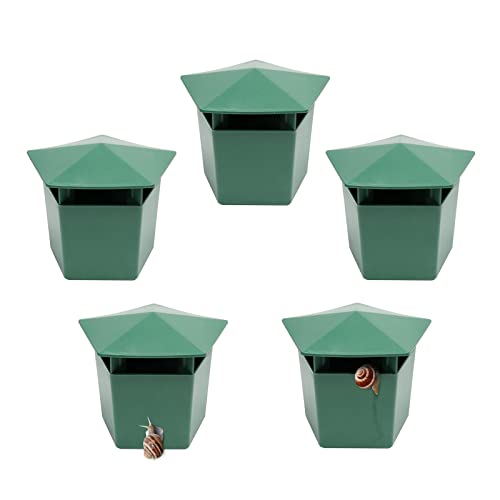
Material: Plastic Size: 10*6*7cm. Applicable area: 20-50 square meters
Low-cost way to blanket multiple beds at once. Good fit for larger gardens where trap density matters more than fancy materials.
Check Price on Amazon →High trap count and easy deployment for active outbreaks. Works best when refreshed often and placed near moisture zones.
Currently unavailableWhat to Look For in a Slug Trap
1) Entrance height and shape
Low, shaded entries capture more slugs because they follow damp edges and avoid open exposure. Domed tops and side-entry cuts usually work better than open bowls.
2) Stability in rain and irrigation
Lightweight traps tip easily or flood out after watering. Heavier ceramic or wider-base plastic traps are more reliable in real garden conditions.
3) Cleanup speed
If emptying and rinsing takes too long, you won’t keep up with maintenance. Smooth interiors and wide openings save time.
4) Refill frequency
Beer and yeast bait lose strength quickly in warm weather. Choose traps you can refill fast, and plan to service every 1-3 days during peak activity.
5) Coverage per bed
One trap rarely fixes a big problem. Multi-pack options often outperform premium single traps because you can place them every 6-10 feet along slug lanes.
Side-by-Side Comparison
| Model | ASIN | Type | Best Use | Notes |
|---|---|---|---|---|
| Esschert Design Snail-Shaped Ceramic Trap | B00BFD8J4A | Traditional ceramic beer trap | Long-term reusable control | Most durable and stable option in this lineup |
| 12PCS Slug Snail Traps Kit | B0F843G6VP | Traditional plastic trap set | Large garden coverage on budget | Strong value per trap |
| Johquik Snail Slug Trap Beer (20PC) | B0D8J5HHM8 | Beer-bait plastic trap pack | Heavy infestation response | High quantity for dense placement |
| QHUDLV Reusable Slug Catcher | B0D5GVJHBG | Reusable plastic trap | Raised beds and veg patches | Simple setup, refill-based workflow |
| GEKUPEM Reusable Slug/Snail Trap | B0D472NLTN | Reusable plastic trap | General home gardens | Weather-resistant, easy to rotate placement |
| Qualirey Plastic Slug Trapper | B0DR8MQ7K4 | Reusable plastic trap | Supplemental perimeter trapping | Useful as add-on pack around bed edges |
Top Picks Reviewed
1) Esschert Design Snail-Shaped Ceramic Trap (ASIN: B00BFD8J4A)
Best for: Gardeners who want a durable, low-visual-clutter trap they can reuse for seasons.
- Pros: Heavy and stable, easy rinse-out, classic beer-trap geometry
- Cons: Higher cost per trap than plastic multi-packs
2) 12PCS Slug Snail Traps Kit (ASIN: B0F843G6VP)
Best for: Budget-friendly coverage when you need multiple traps across beds.
- Pros: Good value, easy deployment, practical for perimeter strategy
- Cons: Lighter material means more frequent repositioning
3) Johquik Snail Slug Trap Beer 20PC (ASIN: B0D8J5HHM8)
Best for: Fast response in wet weather when slug pressure jumps.
- Pros: High unit count, easy to place in clusters, beer-bait compatible
- Cons: Requires consistent bait refresh and cleaning
4) QHUDLV Reusable Slug Catcher (ASIN: B0D5GVJHBG)
Best for: Small vegetable plots where you want a simple refill-and-reset routine.
- Pros: Reusable body, straightforward setup, eco-friendly control style
- Cons: Coverage depends on buying enough units for your square footage
5) GEKUPEM Reusable Slug/Snail Trap (ASIN: B0D472NLTN)
Best for: Everyday prevention in mixed flower + food gardens.
- Pros: Weather-ready plastic, easy cleaning, flexible placement
- Cons: Still requires regular rebaiting for best performance
6) Qualirey Plastic Slug Trapper (ASIN: B0DR8MQ7K4)
Best for: Supplemental edge trapping near fences, stones, and damp borders.
- Pros: Good add-on option for distributed trap layouts
- Cons: Best used as part of a multi-trap system, not stand-alone
Traditional vs 3D-Printed Beer Traps: What Actually Works?
Traditional purchasable traps win on convenience: open box, add bait, place, monitor. For most gardeners, that’s the lowest-friction path.
3D-printed beer traps can outperform cheap store traps when you dial in design details (entrance lip height, rain cap, and reservoir depth). They’re ideal if you already own a printer and want custom fit per bed.
- Print in PETG or ASA for UV and moisture resistance (PLA deforms faster outdoors).
- Use darker colors and a low side entry for better slug attraction in daylight.
- Place one trap every 6-10 feet and refresh bait every 48 hours in warm weather.
If you do not already print at home, a reusable Amazon multi-pack is usually the better first buy. If you do print, 3D models are a solid upgrade path once you confirm slug pressure zones.
Frequently Asked Questions
Is beer really the best bait for slug traps?
Beer works well because fermentation odor attracts slugs. Yeast + sugar + water can also work and is often cheaper for large gardens.
How many slug traps do I need per raised bed?
Start with 1 trap per 4x8 bed, then increase to 2-3 traps if you still see overnight feeding damage.
Do ceramic traps work better than plastic?
Not always better at capture, but usually better for durability and stability. Plastic wins on price and coverage volume.
Are 3D-printed slug traps worth making?
Yes if you already have a printer and want custom designs. If not, buying a ready-made trap pack is faster and usually cheaper upfront.
Can traps replace all other slug control methods?
For heavy infestations, traps work best alongside habitat control: reduce wet mulch piles, water in the morning, and remove hiding boards/debris.
The Bottom Line
For most gardeners, the Esschert Design Ceramic Trap (B00BFD8J4A) is the best long-term reusable pick, while the 12PCS kit (B0F843G6VP) is the best budget way to cover more ground quickly.
If you’re experimenting with 3D-printed beer traps, use traditional Amazon traps first to map slug hotspots, then print custom units where pressure is highest. That hybrid strategy usually gives the best results with the least wasted effort.