

Ranch Approved is reader-supported. When you buy through links on our site, we may earn an affiliate commission at no extra cost to you. As an Amazon Associate I earn from qualifying purchases. How we test.
An overflowing basket of green beans is a beautiful problem to have, but it quickly becomes a crisis of spoilage if you can't preserve it safely. For homesteaders, a pressure canner isn't a kitchen gadget; it's a critical tool for self-sufficiency, turning a fleeting harvest into shelf-stable food that can feed your family all year long. Without one, you're limited to high-acid foods like pickles and jams, leaving nutrient-dense vegetables, meats, and soups at risk of dangerous bacteria like botulism.
We know that choosing the right equipment can feel overwhelming. That's why we've sorted through the essential gear for 2026, focusing on what homesteaders truly need: reliable performance, uncompromising safety, and long-term durability. This guide covers not just the best pressure canner to anchor your preserving kitchen, but also the essential accessories and knowledge you need to get started with confidence.
Our Top Quick Picks for 2026
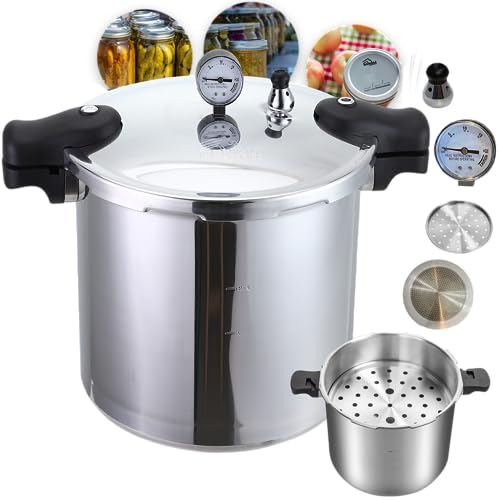
This large-capacity, induction-compatible canner is built for serious homestead use, featuring a reliable weighted gauge and durable construction.
- PRESSURE CANNER + COOKER — The Denali Canning Pressure Canners/Cookers provide the #1 solution to get started with home canning whether you…
- EXTRA LARGE 23 QUART CANNER — A pressure canner works by trapping steam while heating, which builds up pressure and gets to the boiling poi…
- PREMIUM QUALITY MATERIALS — Denali’s Canner features a heavy-gauge aluminum build with stainless-steel parts. Precision is key, and our Pre…

This affordable kit includes all the essential tools you'll need to handle hot jars and lids safely, making it a must-have for beginners.
- Food grade stainless steel canning kit in the market: This is the type of stainless steel that is corrosion resistant offering durability a…
- All-in-one canning supplies starter kit - This kitchen tool set consists of all essential canning tools : extra wide canning funnel for wid…
- Canning accesories with green flourescent color: To liven up the kitchen and make them more visible when you are looking for them and a sto…

Packed with safe, tested recipes and techniques, this book is the perfect companion for turning your harvest into delicious, shelf-stable meals.
Check Price on Amazon →
For those looking to move beyond the basics, this book offers updated recipes and methods for today's home canner.
Check Price on Amazon →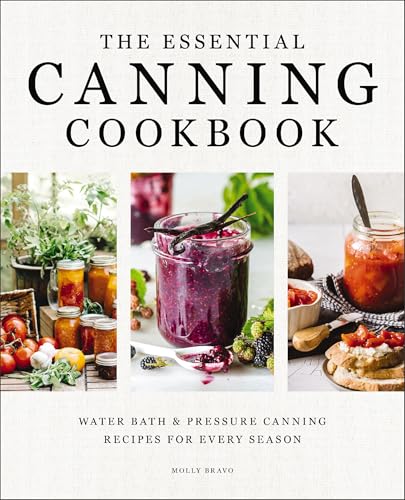
Organized by season, this cookbook helps you make the most of your harvest with both water bath and pressure canning recipes.
Check Price on Amazon →What to Look For in a Pressure Canner
A pressure canner is a significant investment, so it's important to choose one that fits your homestead's needs. Here are the key factors to consider before you buy.
Capacity (Quarts and Jars)
Capacity is the first thing most people look at. It's typically measured in liquid quarts, but what really matters is how many jars it can hold. A 23-quart canner is a popular size for homesteaders because it can typically process a full batch of 7 quart jars or up to 20 pint jars (when double-stacked). A 16-quart model is a good starting point, usually holding 7 quart jars or 9 pint jars in a single layer. Consider the size of your garden and your family. Processing in larger batches saves significant time and energy.
Material and Construction
Most pressure canners are made from either aluminum or stainless steel. Aluminum models are more common and generally less expensive. They are excellent heat conductors, which means they get up to temperature quickly. However, they can be prone to staining and aren't always compatible with induction stovetops. Heavy-duty cast aluminum models are incredibly durable and can last for generations. Stainless steel canners are often heavier and more expensive, but they are non-reactive, easier to clean, and usually compatible with all cooktops, including induction.
Gauge Type (Dial vs. Weighted)
This is a critical safety and accuracy feature. A dial gauge shows the precise pressure inside the canner, but it must be tested for accuracy annually by your local extension office. A weighted gauge (or "jiggler") uses a weight that rocks or jiggles to release pressure, indicating you've reached 5, 10, or 15 pounds of pressure (PSI). Weighted gauges don't need calibration and are considered more foolproof by many experienced canners, as you can hear them working from across the room. Many canners, like our top pick, include both for the best of both worlds.
Safety Features
Modern pressure canners are incredibly safe when used correctly. Look for canners with multiple safety features. These should include a locking lid that prevents the canner from being opened while under pressure, a vent pipe (or steam vent), and an overpressure plug. This plug is a small rubber insert designed to pop out and safely release excess steam if the primary vent becomes blocked, preventing a dangerous situation.
Stovetop Compatibility
Not all canners work on all stoves. This is especially important if you have a glass or ceramic flat-top stove, as the weight of a fully loaded canner can crack the surface. Check your stove's manual for weight limits. If you have an induction cooktop, you absolutely must choose a canner with a stainless steel base that is induction-compatible. Most aluminum canners will not work on induction ranges.
Top Picks Compared
1. THE TANKER by Denali Canning 23 Quart — Best Overall Canner
Price: $149.99 | Capacity: 23 Quarts (7 Qt Jars or 20 Pt Jars)
The TANKER by Denali is our top pick for the best all-around pressure canner for homesteading in 2026. It hits the sweet spot of size, features, and price. The 23-quart capacity is ideal for processing large batches from the garden, saving you precious time during the busy harvest season. It's large enough to double-stack pint jars, effectively doubling your output for things like salsa, corn, and beans.
One of its standout features is its induction-compatible stainless steel clad base, making it a versatile choice for modern kitchens. It’s equipped with both a dial gauge for precise monitoring and a 3-piece weighted gauge (5, 10, 15 PSI), which many canners prefer for its reliability and audible cues. The heavy-gauge aluminum body ensures even heating, while the sturdy construction feels built to last for decades of use.
Pros:
- Large 23-quart capacity is perfect for big batches.
- Induction-compatible base works on all stovetops.
- Includes both a dial gauge and a reliable weighted gauge.
- Beginner-friendly with clear instructions and safety features.
Cons:
- Aluminum construction can discolor over time if not cared for properly.
2. Supa Ant Canning Supplies Starter Set — Best Canning Starter Kit
Price: $19.99 | Key Spec: 5-Piece Stainless Steel Set
A pressure canner is only half the battle; you need the right tools to safely handle hot jars and ensure a proper seal. This starter set from Supa Ant is the perfect, affordable package to get you going. Made from food-grade stainless steel, these tools are a significant upgrade from the flimsy plastic versions often found in big-box stores.
The kit includes the five non-negotiable tools for any canner: a wide-mouth funnel for mess-free filling, a jar lifter with a secure grip for moving jars in and out of boiling water, a magnetic lid lifter to grab sterilized lids, a jar wrench to gently tighten bands, and a bubble popper/measurer to remove air pockets and check headspace.
Pros:
- Includes all the essential tools for safe canning.
- Durable stainless steel construction.
- Excellent value for the price.
- Makes a great gift for a new homesteader.
Cons:
- The jar wrench may not fit all non-standard band sizes.
3. The Homestead Canning Cookbook — Best Recipe Book for Homesteaders
Price: $16.95 | Key Spec: Focus on Safe, Practical Preservation
Using untested recipes from the internet is one of the biggest risks in home canning. This cookbook is the antidote, providing safe, lab-tested preservation techniques specifically for homesteaders. It goes beyond simple recipes, offering guidance on the entire process from garden to pantry.
Author Georgia Varozza covers both water bath and pressure canning, ensuring you have a reliable guide for everything from high-acid pickles to low-acid meats and vegetables. The instructions are clear, concise, and aimed at both beginners and experienced canners looking for a solid reference. This book is more than a collection of recipes; it's a foundational text for a self-sufficient kitchen.
Pros:
- Focuses on safe, tested canning methods.
- Covers both pressure canning and water bath canning.
- Clear, easy-to-follow instructions for all skill levels.
- Practical recipes for common garden produce.
Cons:
- Lacks some of the more exotic or gourmet recipes found in other books.
4. Modern Pressure Canning: Recipes and Techniques for Today's Home Canner — Best for Modern Techniques
Price: $17.77 | Key Spec: Updated Recipes and Methods
If you're ready to expand your canning horizons, Modern Pressure Canning is your next step. This book takes classic preservation and gives it a contemporary twist with updated recipes that reflect modern tastes. It's perfect for the homesteader who wants to preserve not just basic ingredients, but full, flavorful meals in a jar.
The book provides a thorough introduction to the science of pressure canning, building confidence in the process. The recipes are creative and inspiring, ranging from soups and stews to complete meals that are ready to heat and serve on a busy night. It’s an excellent resource for making your pantry more versatile and your weeknight meals much easier.
Pros:
- Creative, modern recipes for meals in a jar.
- Excellent explanation of the science behind safe canning.
- Beautiful photography inspires you to try new things.
Cons:
- May be slightly advanced for absolute beginners.
5. The Essential Canning Cookbook — Best for Seasonal Canning
Price: $14.43 | Key Spec: Organized by Season
This cookbook is brilliantly organized to help you preserve what's fresh right now. Structured by season, it provides a roadmap for your canning efforts throughout the year, from spring asparagus to autumn pumpkin. This approach helps you plan your preservation schedule and make the most of your garden's bounty as it ripens.
It includes a wide variety of recipes for both water bath and pressure canning, making it a comprehensive guide. The seasonal structure is particularly helpful for new homesteaders who are still learning the rhythms of their garden and harvest cycles. It’s a practical tool for turning "what's ready today" into "what we'll eat in January."
Pros:
- Helpful seasonal organization.
- Wide range of recipes for fruits, vegetables, and more.
- Great for planning your annual preserving schedule.
Cons:
- Some recipes may require ingredients not commonly grown on all homesteads.
6. Pressure Canning for the Modern Homesteader — Best for Beginners

Price: $15.88 | Key Spec: Comprehensive Beginner's Guide
This book is designed to take the fear out of pressure canning. It serves as a comprehensive A-to-Z guide, walking you through every step of the process from choosing a canner to storing your finished jars. If you are starting from zero, this is an excellent first purchase to read before you even fire up the stove.
The author breaks down complex topics into easy-to-understand language, with a strong emphasis on safety and best practices. It's packed with not only recipes but also troubleshooting tips and charts that you'll refer back to again and again. It’s the friendly, knowledgeable neighbor you wish you had to teach you the ropes.
Pros:
- Excellent step-by-step guide for absolute beginners.
- Strong focus on safety and building confidence.
- Includes helpful charts and troubleshooting advice.
Cons:
- Experienced canners might find the introductory information redundant.
7. The Amish Canning & Preserving Bible for Beginners — Best for Traditional Methods

Price: $9.99 | Key Spec: Time-Tested, Back-to-Basics Recipes
For those who appreciate a traditional, no-frills approach to food preservation, this book is a treasure trove. It focuses on time-tested methods and simple, hearty recipes that have been passed down through generations. The guide emphasizes natural food storage and making the most of every part of the harvest.
While it champions traditional recipes, it's important to cross-reference its methods with current USDA safety guidelines, especially regarding processing times and acidity. It's a wonderful resource for flavor and inspiration, offering a glimpse into a simpler, more resourceful way of life.
Pros:
- Focuses on simple, traditional recipes.
- Very affordable price point.
- Emphasizes a natural, "waste-not" approach.
Cons:
- Methods should always be checked against current, tested safety standards.
Homestead Canning Gear Comparison
| Product | Price | Category | Best For | |
|---|---|---|---|---|
| THE TANKER by Denali Canning 23 Quart | $149.99 | Pressure Canner | Large-batch homestead canning | Check Price → |
| Supa Ant Canning Supplies Starter Set | $19.99 | Accessory Kit | Beginners needing essential tools | Check Price → |
| The Homestead Canning Cookbook | $16.95 | Recipe Book | Safe, practical homestead recipes | Check Price → |
| Modern Pressure Canning | $17.77 | Recipe Book | Creative, updated recipes | Check Price → |
| The Essential Canning Cookbook | $14.43 | Recipe Book | Planning preservation by season | Check Price → |
| Pressure Canning for the Modern Homesteader | $15.88 | Guide Book | Comprehensive beginner instruction | Check Price → |
| The Amish Canning & Preserving Bible | $9.99 | Recipe Book | Traditional, back-to-basics methods | Check Price → |
Frequently Asked Questions
What's the difference between a pressure canner and a pressure cooker?
While they look similar, they are not interchangeable for canning. A pressure canner is tall enough to hold quart jars and is designed to maintain a specific, steady pressure and temperature required to kill botulism spores. Most electric multi-cookers or smaller stovetop pressure cookers are not tested or approved for safe pressure canning of low-acid foods. Only use equipment sold as a pressure canner.
Can I use a water bath canner for green beans?
No. Green beans, like all vegetables, meats, and most soups, are low-acid foods. They must be processed in a pressure canner to reach a temperature of 240°F, which is necessary to destroy Clostridium botulinum spores. A water bath canner only reaches the boiling point of water (212°F at sea level), which is not hot enough to make low-acid foods safe.
How do I know if my pressure canner is safe to use?
Before each use, inspect your canner. Check that the rubber gasket (if it has one) is pliable and not cracked. Ensure the vent pipe is clear by holding it up to the light. If you have a dial gauge, it should be tested for accuracy every year; contact your local county extension office for this service. Always follow the manufacturer's instructions for use and care.
What size pressure canner do I need?
The minimum size recommended for pressure canning is one that can hold at least four quart-sized jars. For most homesteaders, a 23-quart canner is the most efficient size, as it allows you to process a large batch of 7 quarts or double-stack up to 20 pints at once, saving significant time and energy.
Do I need a dial gauge or a weighted gauge?
This is a matter of personal preference. A dial gauge gives you a precise pressure reading but needs annual testing. A weighted gauge is more foolproof and doesn't require calibration; it jiggles or rocks to let you know you're at the correct pressure. Many canners, including our top pick, come with both, which is the ideal setup.
The Bottom Line
Investing in a quality pressure canner is a foundational step toward food security and self-reliance on the homestead. It unlocks the ability to safely preserve the full spectrum of your harvest, from vegetables and meats to fish and soups, ensuring no food goes to waste. While the process requires attention to detail, the right equipment makes it safe, efficient, and deeply rewarding.
For most homesteaders, THE TANKER by Denali Canning is the best all-around investment for 2026. Its large capacity, modern stovetop compatibility, and reliable dual-gauge system provide everything you need to tackle large batches with confidence. Pair it with the essential Supa Ant Canning Supplies Starter Set and a trusted guide like The Homestead Canning Cookbook, and you'll have a complete system for filling your pantry with safe, healthy, homegrown food for years to come.